
ADHD and Eating Disorders
ADHD Eating Disorders Treatment and Nutrition Therapy in the St. Louis Area, Missouri, and Illinois

Registered Dietitian Nutritionists Provide Counseling for Patients with ADHD struggling with Anorexia, Bulimia, Binge-Eating Disorder, and Disordered Eating.
Why do people with ADHD struggle with eating?
People with ADHD can have a complex relationship with food. This is primarily because of impulsivity, sensory sensitivity, hyperactivity, and distractibility. Addressing these issues with a registered dietitian can give the needed guidance for the parent or individual struggling. As dietitians, and experts in the intersection of ADHD and eating disorders, we can offer ideas for structured meal times and create a supportive eating environment.
We provide online and in-person nutrition counseling as well as family-based treatment to give support to families, parents, and caregivers of those struggling with ADHD and eating disorders. Our outpatient eating disorder treatment program and recovery coaching can keep you or your loved one on track to healing and sustained recovery.
Is there a link between ADHD and eating disorders?
While the dynamic between these two behaviors can be multifaceted, there is certainly a link between the two. Research has shown that ADHD is most commonly linked to bulimia and binge eating disorder. Keep in mind that not everyone with ADHD will develop disordered eating behaviors; however, they are more at risk.
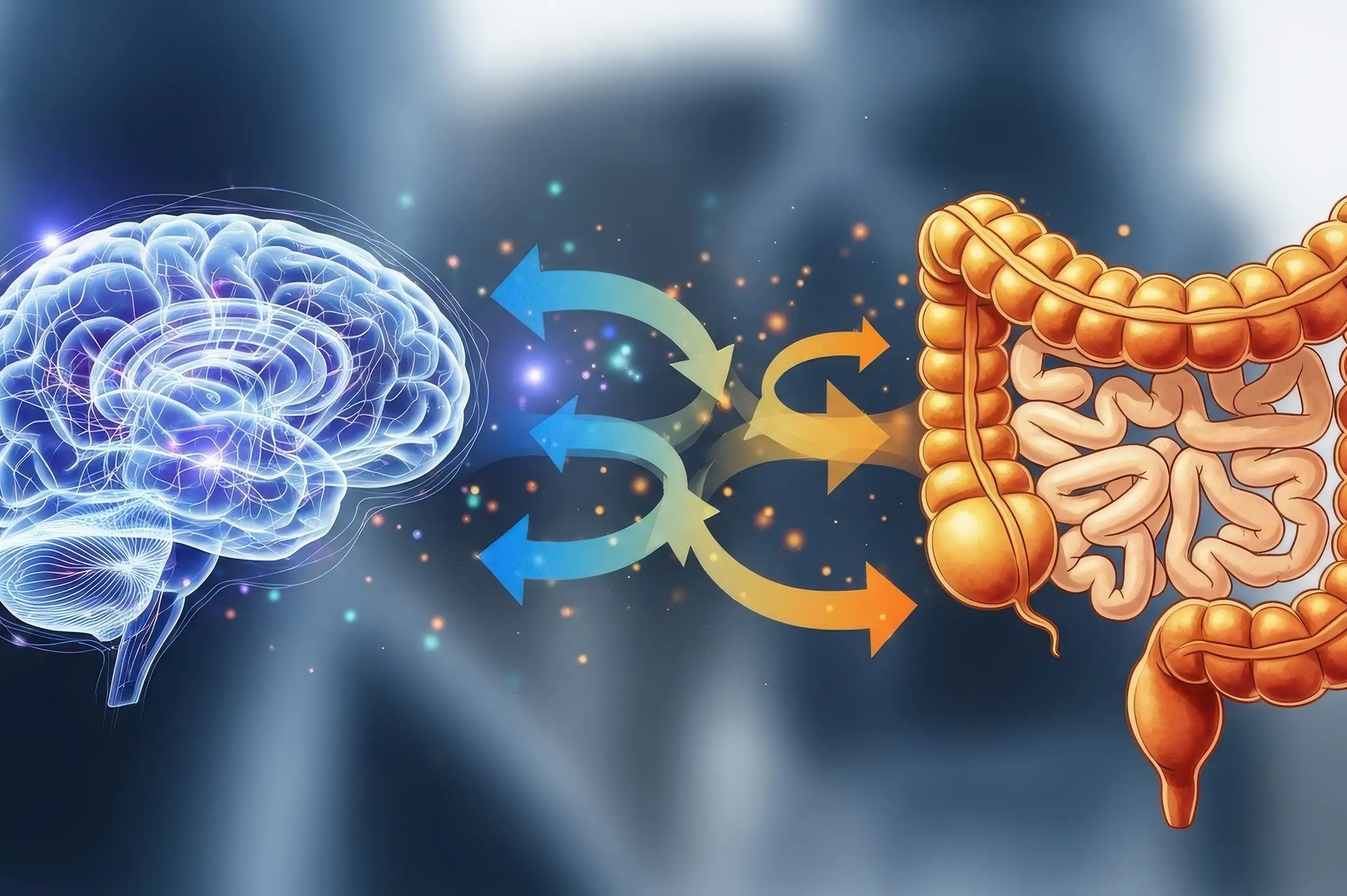
Part of the reason for this increased risk comes down to how the brain works in ADHD. Kids, teens, and even adults with ADHD often deal with impulsivity and challenges with emotional regulation, meaning they may react quickly without thinking things through, or have a harder time managing big feelings. That can show up in eating patterns, too. For example, someone might turn to food as a way to cope with stress or boredom, especially if they don’t yet have other tools to manage those feelings. Nutrition Action recently touched on this, highlighting how food can sometimes become a kind of emotional crutch when someone’s trying to self-soothe.
We also see that irregular routines—like skipping meals or having disrupted sleep—can throw off hunger and fullness cues. That’s already common in ADHD, and it can make eating feel more chaotic or emotionally driven. On a biological level, both ADHD and some eating disorders are tied to how the brain processes rewards, especially around dopamine. So it’s not just about willpower or habits—it’s about how the brain is wired.
The good news is, with the right support—whether that’s therapy, structure around meals, medication, or building healthy coping strategies—there’s a lot that can be done to reduce the risk of disordered eating and help someone with ADHD feel more in control of their relationship with food.

What are the most common eating disorders with ADHD?
The most common eating disorders associated with ADHD are binge eating disorder and bulimia nervosa.
- Binge Eating Disorder: This is a complex, serious disorder characterized by feeling out of control when eating and consuming much larger quantities of food than usual.
- Bulimia Nervosa: This is characterized by recurrent episodes of eating large amounts of food over a short period (bingeing) and unhealthy compensatory behaviors (purging).
ADHD and these disorders’ symptoms tend to overlap. This can include low self-esteem, emotional dysregulation, impulsivity, genetic and environmental factors, as well as body image concerns.
What can nutrition therapy do for ADHD and eating disorders?
Meeting with a registered dietitian who specializes in these two disorders can assist in navigating underlying nutritional factors that may be present. Medical nutrition therapy includes:
- Assessing dietary patterns.
- Assessing nutritional status.
- Developing personalized meal plans to support overall health.
- Educating on the importance of balanced nutrition for managing ADHD symptoms.
- Identifying how medication might be affecting wellness, gut health, and the relationship with food.
- Providing strategies for meal planning and preparation.
- Collaborating with the healthcare team to address underlying nutritional deficiencies or imbalances.
A dietitian within our practice can help with recommendations that offer a balanced diet without feeling restricted, working to regulate blood sugar levels, and identify food sensitivities.
Eating Disorders Treatment Services
- ADHD And Eating Disorders
- Anorexia Nervosa Nutrition Therapy
- Autism ED Counseling
- Binge Eating Disorder Specialist
- Bulimia Nervosa Nutrition Therapy
- Disordered Eating Recovery
- Eating Disorders In Teens
- Eating Disorder Recovery In Athletes
- Family-Based Treatment
- Eating Disorders In Male Athletes
- OCD ED Dietitian
- Online ED Treatment
- Orthorexia Nervosa Treatment
- OSFED Treatment & Nutrition Therapy
- Picky Eating And ARFID
- Treatment For ED During Pregnancy
Recent Post


Contact Us
Our Team
Licensed Dietitian Nutritionists in the Greater St. Louis Area
Branz Nutrition Counseling is a team of licensed dietitian nutritionists serving the Greater St. Louis area and clients nationwide through telehealth. We provide evidence-based nutrition counseling for individuals and families seeking support with their health, eating habits, and relationship with food.
Our weight-inclusive, LGBTQIA+-affirming approach is grounded in Intuitive Eating and Health at Every Size principles. We specialize in eating disorder recovery and nutrition care for chronic conditions such as PCOS, diabetes, and heart disease, offering compassionate, personalized support through in-person sessions in Illinois and Missouri and virtual care across multiple states.



How It Works
An Easy Three-Step Process to Get You on the Road to Recovery
Make An Appointment
What service do you need? We offer a range of appointments of different durations to best fit your needs, including online support groups, meal plans, and more.
01
Meet with your Personal Dietitian
Be paired with the dietitian nutritionist on our team and get continued support with one of our online groups. One-on-one counseling, in-person, or virtual. WE TAKE INSURANCE!
02

Take Control of Your Life
Heal your relationship with food and your body. Choose the best foods for your unique needs. Get the tools you need to live a healthy life. Receive continued support.
03
Note: In order to secure a spot on a dietitian’s schedule, we need a valid payment method on file.
Testimonials
See how lives change — one nourishing choice at a time.
Our clients aren’t just improving their nutrition — they’re rebuilding trust with food, gaining confidence, and creating healthier, more balanced lives.
Trustindex verifies that the original source of the review is Google. Highly recommend this place! Super knowledgeable and very helpful! 10 out of 10!!! - SIFUTrustindex verifies that the original source of the review is Google. I have been sending patients to Branz for a while now and there is nobody I trust more than these nutritionist and dieticians. They actually care about you and take a deep dive into your life to see what all is the reason or reasons that you cannot obtain the results you are looking for. They provide a great plan on how to get you from A to B in the best way possible. My favorite part of their care is when a patient comes back and tells me how thorough they have been in covering what is going on.Trustindex verifies that the original source of the review is Google. I can’t say enough great things about this practice! The team brings professionalism, heart, and deep clinical expertise to every discussion. Their initiative to keep learning, growing, and leading within the field of nutrition truly sets them apart!Trustindex verifies that the original source of the review is Google. We’ve worked with Branz Nutrition Counseling on several occasions, and each experience has been exceptional. The team is incredibly knowledgeable and professional, but what really sets them apart is how down-to-earth and approachable they are. Talking about food and eating behaviors can be very vulnerable—much like discussing any other mental health concern—and it makes a huge difference to work with people who meet you with kindness and zero judgment. The team at Branz truly makes people feel supported. They’re not there to lecture or shame; they’re there to help. We’ll continue to refer people to Branz because we trust they’ll be met with compassion, respect, and real expertise.Trustindex verifies that the original source of the review is Google. Working with Michelle Wilson, RD, has been such a gift. Michelle’s warmness and professionalism shine through in every interaction, and she creates an environment where clients feel safe, supported, and truly cared for. As someone who frequently refers clients her way, I have complete trust in Michelle’s expertise and compassionate approach. I know that anyone I send to her will be met with thoughtful, individualized care, and that peace of mind is invaluable. I cannot recommend Michelle and Branz Nutrition Counseling highly enough!Trustindex verifies that the original source of the review is Google. Working with Michelle Wilson is a joy. She approaches each person as a human, not a "patient". She naturally balances humor and light heartedness with the necessary dedication, thoughtfulness, and empathy required to create meaningful change in people's lives. I highly recommend working with Michelle.Trustindex verifies that the original source of the review is Google. I cannot recommend Michelle enough. They are truly one of the most compassionate and knowledgeable dietitians I have ever worked with. Michelle understands the deep connection between mental health and eating disorders, and they approach their clients with kindness, flexibility, and genuine care.Trustindex verifies that the original source of the review is Google. Michelle at Branz Nutrition Counseling is someone I would highly recommend! They have a friendly, genuine spirit and a strong ability to connect with colleagues and clients. Engaging, kind, and knowledgable, Michelle is a trusted resource for my clients seeking nutritional and eating disorder support.Trustindex verifies that the original source of the review is Google. Ask for Michelle Wilson. She is the best!Trustindex verifies that the original source of the review is Google. I have had nothing short of positive interactions with the entire Branz team. Michelle invited me into the ED helping professional community immediately and has been a warm, welcoming human from the moment I met her. She’s also such a wealth of knowledge. Love this team!
Branz Nutrition in the Media
Branz Nutrition in the Media
Spotlight on diet culture
Experts discuss its impact on schoolchildren’s health.
Wellness Wednesday
Adopting Healthy Attitudes about Food and Weight
Eating Disorder Dietitian
How to talk about food with your kids
Nutrition counselor
Child Eating Habits on Show Me St. Louis


